What Are The Easements?
The legal foundation that protects Rio Mar — and why every owner benefits.
In Plain Language
An easement is a permanent legal restriction on what can be done with a specific piece of land. It's recorded in a deed. It runs with the land — meaning it survives every sale, every new owner, every change of company. It cannot be cancelled by one party alone. It does not expire.
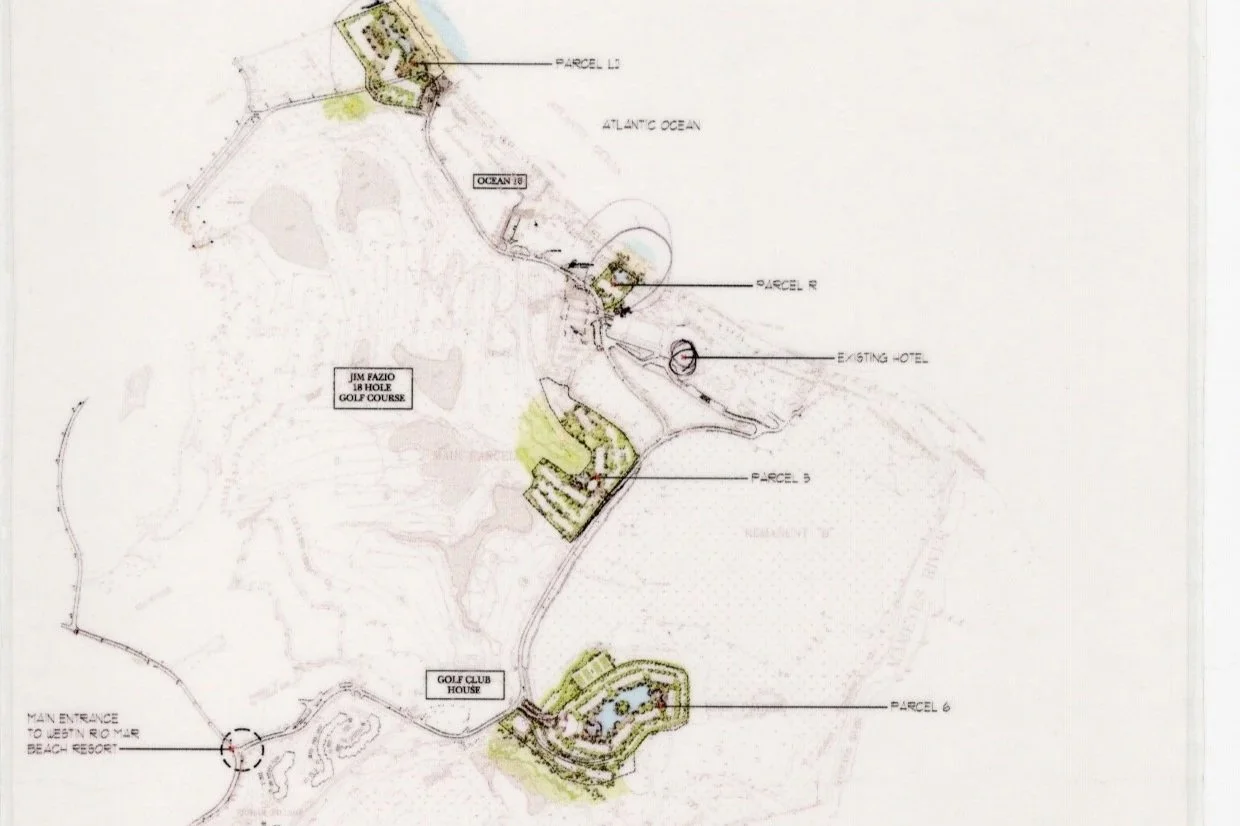
At Rio Mar, two easements — one from 1975 and one from 1976 — restrict specific parcels of land to a single set of uses: golf, tennis, and beach facilities.
These easements were granted by the original developer in favor of the owners of Clusters 1 and 2, who are the only parties with the legal authority to consent to any change.
What the Easements Actually Do
The 1975 and 1976 deeds use the same language. Together, they establish two legal obligations on the land where Rio Mar's resort facilities sit:
The land cannot be used for any other purpose.
"Both parties wish for the aforementioned resort facilities to continue to exist as they currently do and as they will continue to be developed, and for them not to be used for any other purpose at any time." — 1975 and 1976 Deeds
Golf land stays golf land. Tennis land stays tennis land. Beach club land stays beach club land. The deeds say it plainly: not to be used for any other purpose at any time.
The land cannot be altered without the consent of Clusters 1 and 2.
Any modification — shortening a golf hole, demolishing a tennis clubhouse, building over a beach area — requires the consent of the easement holders. The owner of the land cannot unilaterally remove, alter, or destroy what the easements protect.
In 2021, the Puerto Rico Court of Appeals confirmed the legal nature of these easements directly:
"…these real property easements are of an interdictory nature, as they contain a clear prohibition — the encumbered properties may not be used for any purpose other than golf, tennis, and beach facilities." — Court of Appeals, August 3, 2021
These Rights Are Forever — But Only If We Enforce Them
The easements run with the land. They survive every sale, every change of ownership, every developer. In 2007, the prior developer tried to extinguish them. The courts confirmed those attempts were invalid. The easements remain in full force today.
But legal rights that are not enforced when they are violated become harder to defend over time.
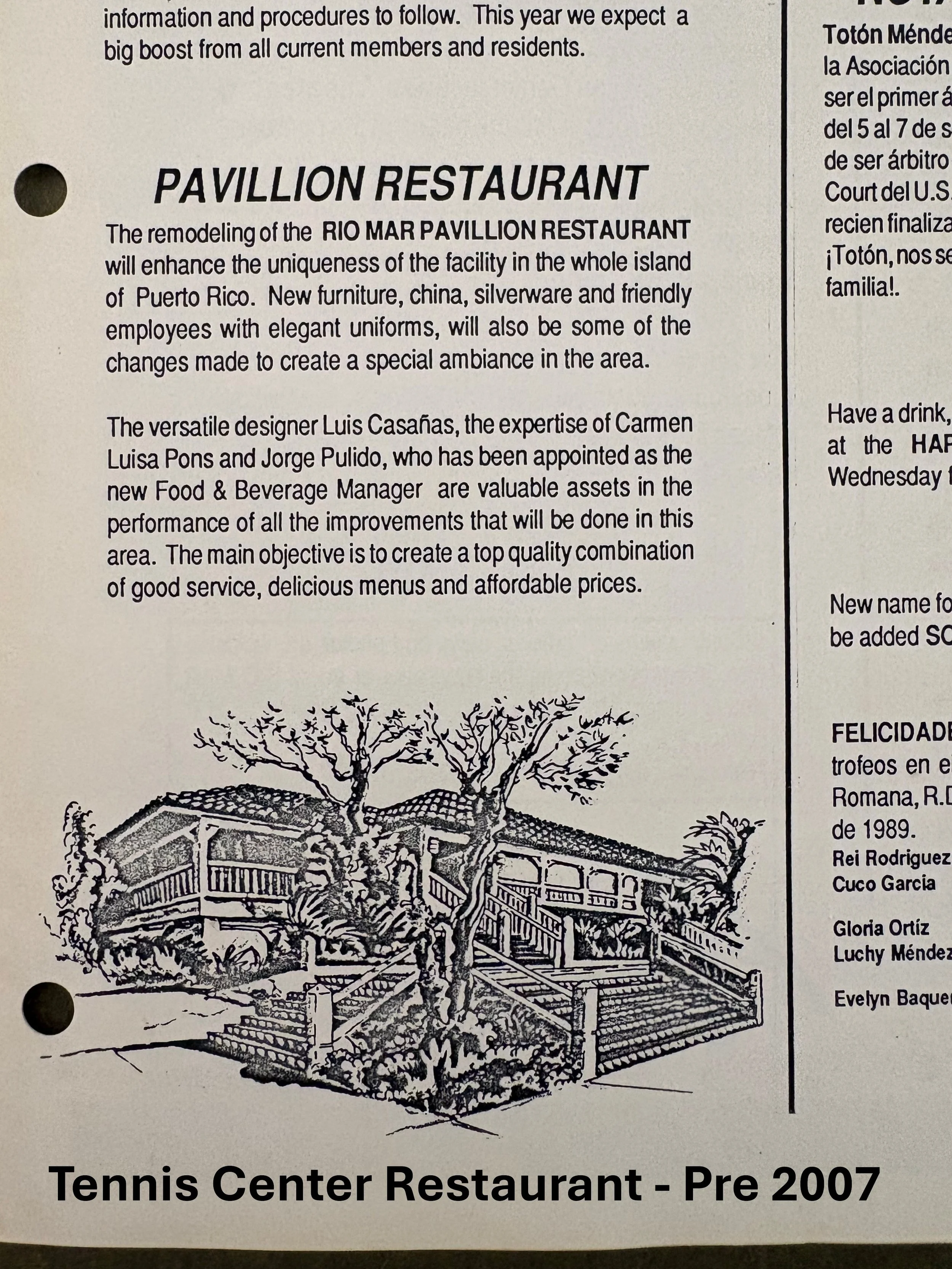
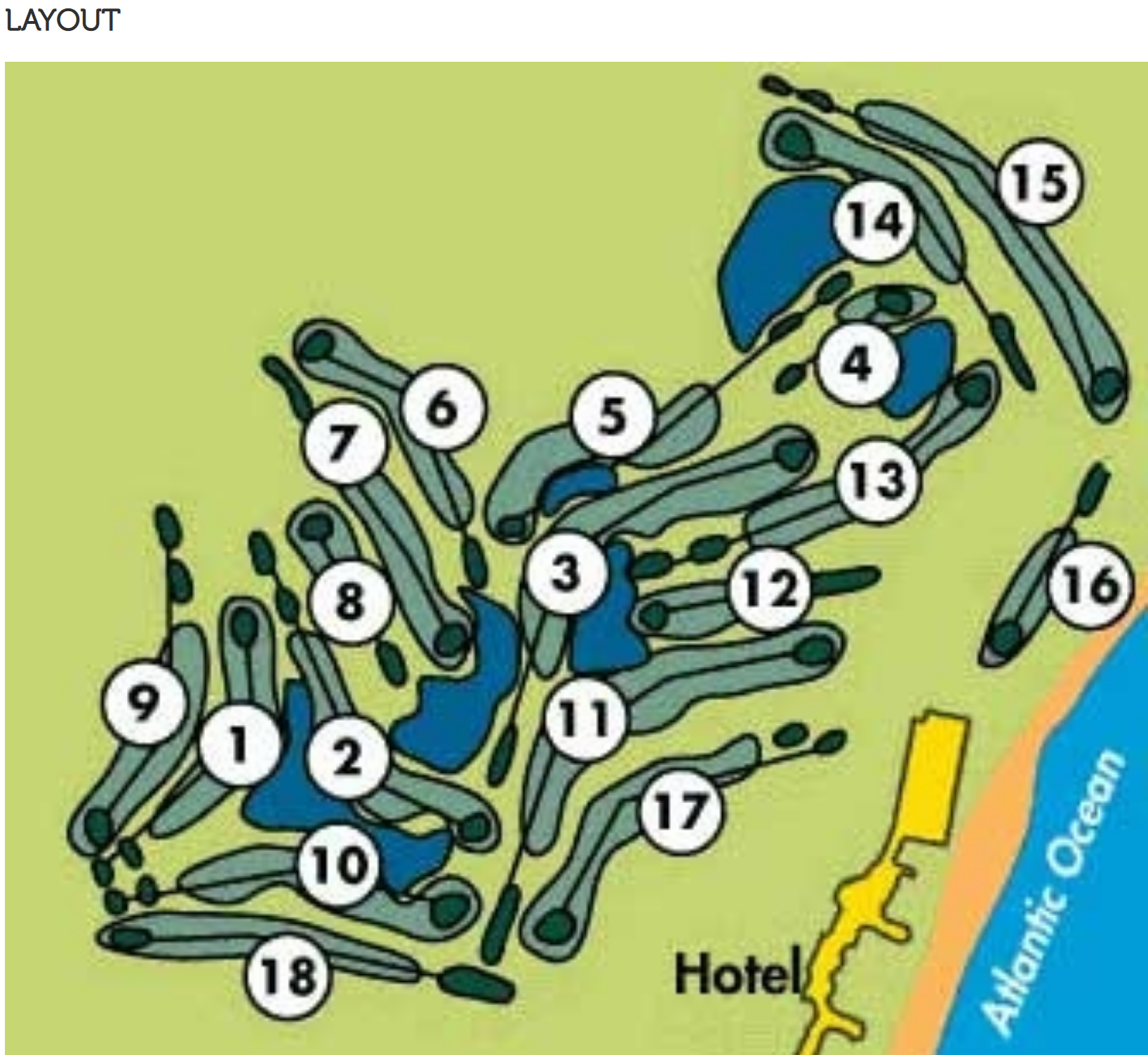
The prior developer destroyed parts of the tennis facility and shortened Ocean Course Hole 15, totally ignoring the easements — and none of that destruction has been remedied. If those violations stand unchallenged, every future developer gains evidence that the easements can be ignored without consequence.
Rights that are violated without remedy lose their practical force, even when they remain legally valid.